


Table of contents
Why So Many DTF Businesses Underprice Their Prints?
Selection Criterion 1 — Calculate Your True Cost Per DTF Print
Selection Criterion 2 — Print Consistency Has a Direct Effect on Profit
Selection Criterion 3 — Price Should Change Based on Order Size, Fabric Type, and Production Scale
A Practical DTF Pricing Framework for Small Businesses
What to Look for in a DTF Printer If You Want More Accurate Pricing?
Professional DTF print pricing typically ranges from $0.50 to $2.00 per linear inch, but many small shops fail because they price by guesswork rather than production reality. While raw materials (film, ink, and powder) for an A4 sheet average $0.70, your "True Cost" must account for a 15–20% seasonal waste buffer and a dedicated printhead depreciation fund.
In this guide, we move beyond "standard" advice to look at the production-floor math that actually protects your margins. Whether you are running an A4 or A3 DTF printer, you’ll learn how to price for ink density, fabric variability, and the "Hidden Maintenance Tax" that most beginner calculators completely ignore.
Why So Many DTF Businesses Underprice Their Prints?
A lot of shops price DTF prints by looking at dtf film and ink, then adding a quick markup. That sounds workable until powder, labor, maintenance, wasted prints, and reprint risk start showing up. Then the margin disappears.
The bigger issue is that DTF pricing is not just about size. A small design with heavy coverage costs more than a light design of the same dimensions. A one-off order is not priced the same way as a batch run. Garment type and turnaround matter too. If you ignore those variables, you can stay busy without making real money.
One small apparel business improved profit per print by 30% after it started calculating material and production costs more accurately. That is the difference between guessing and pricing with control. And that control gets better when your equipment delivers stable output and predictable consumable use.

Selection Criterion 1 — Calculate Your True Cost Per DTF Print
If you want to price direct to film transfers correctly, start with real cost, not competitor guesses.
What goes into DTF print cost?
Break your cost into four parts:
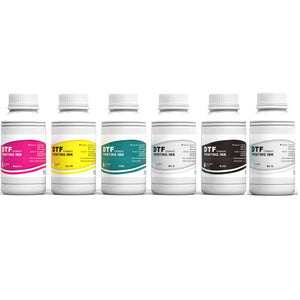
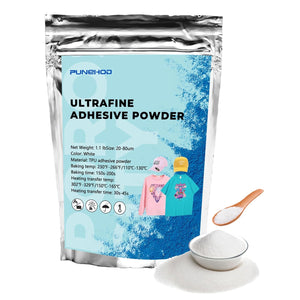
- Printing cost: ink, dtf film, adhesive powder
- Equipment cost: dtf printing machine, oven, heat press, maintenance
- Garment cost: shirt or other blank
- Other cost: waste, labor, power, packaging
Miss any one of these, and your quote is weaker than it looks.
A simple DTF pricing formula
Use this formula:
Selling Price = (Material Cost + Labor Cost + Waste Allowance + Equipment Allocation + Overhead) × Target Margin
This keeps pricing tied to actual production instead of gut feeling.
Pro Tip: Don't just price for the film you use; price for the film you'll throw away. I now include a 15-20% "Environment Buffer" in my base pricing to cover humidity fluctuations and the inevitable machine recalibrations that occur during peak seasons. If you don't price for this, you aren't just losing film—you're working for free during your busiest months.
Example pricing model
A practical way to price is by job type
- Small logo transfer: low material use, but setup still matters
- Standard A4 chest print: common job, good baseline for everyday quoting
- Large front print: more ink, more film area, higher remake risk
- Gang sheet transfer: better material efficiency, but only if cost is allocated correctly
That gives readers a real-world way to compare jobs instead of using one flat rule for everything.
Selection Criterion 2 — Print Consistency Has a Direct Effect on Profit
A print problem is not just a quality problem. It is a profit problem.
Why inconsistent output costs more than most shops expect
When output is inconsistent, the business cost stacks up fast:
- color mismatch
- weak adhesion
- poor wash durability
- customer complaints
- reprints
- discounted remakes
- delayed delivery
One bad print does not just waste material. It also eats time, slows fulfillment, and weakens customer trust.
Technical factors that affect saleable output
Several factors directly affect whether a print is worth selling:
- print resolution such as 1440 DPI+
- ink system stability
- color accuracy
- transfer consistency across cotton, polyester, and blends
- wash durability and color fastness
For durability language, it helps to anchor claims to recognized frameworks such as ISO textile colour fastness standards, testing guidance from SGS textile color fastness testing, and safety benchmarks like OEKO-TEX® STANDARD 100.
Why this matters for pricing?
A print that holds color and survives washing can support a stronger selling price than one likely to generate complaints. That is simple business logic. Fewer remakes mean lower hidden cost. Better consistency means more confidence in every quote.
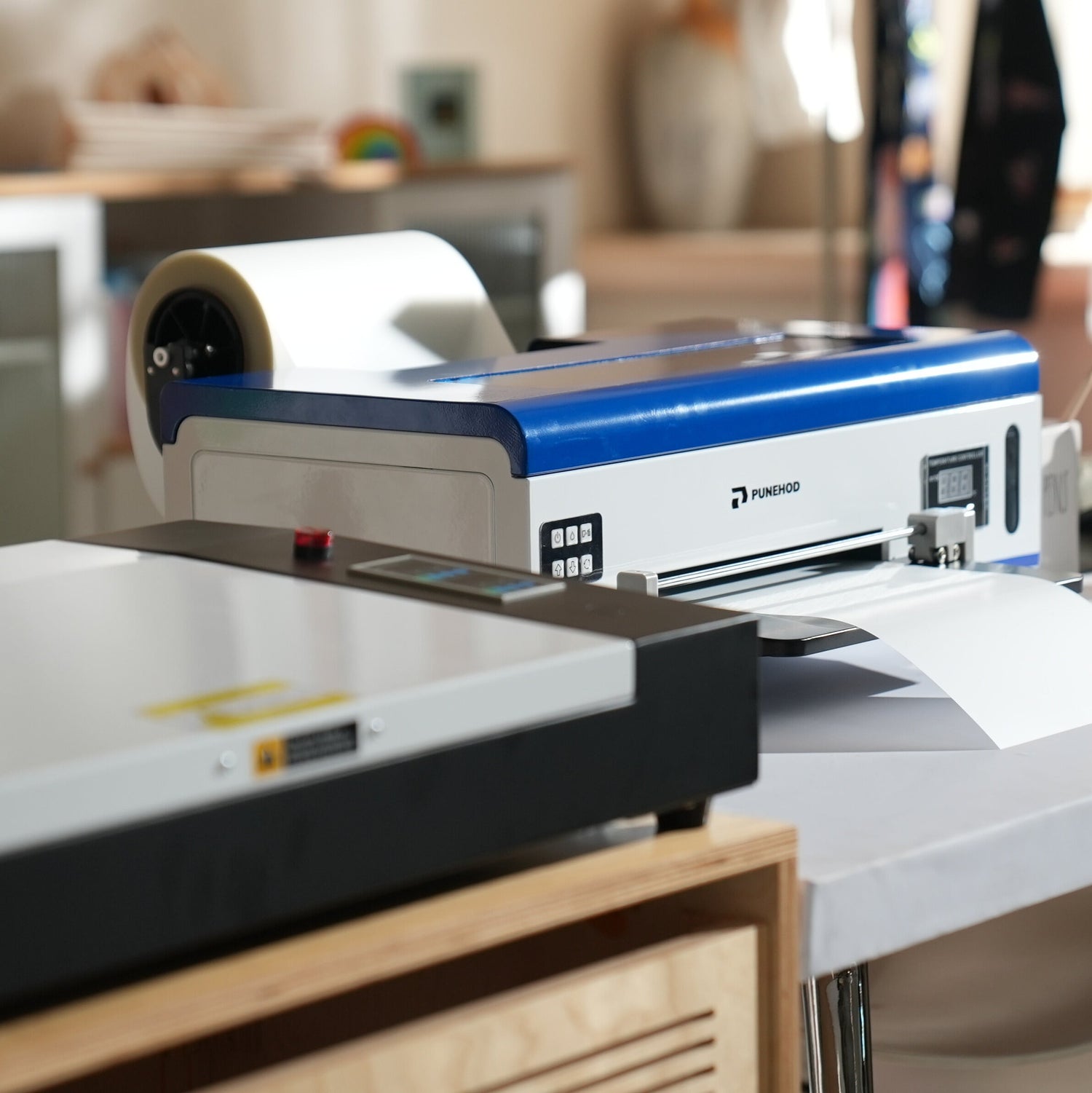
That is why Punehod’s differentiators matter in this discussion: stable print output with stronger color accuracy and durability, plus consistent transfer results across different fabric types. For buyers comparing a dtf printer for shirts, a t shirt printing machine, or a t shirt printer for daily tshirt printing, consistency is not just a performance detail. It is part of the pricing model.

Selection Criterion 3 — Price Should Change Based on Order Size, Fabric Type, and Production Scale
A flat pricing rule sounds simple, but it usually breaks down fast. In real dtf printing, the right price depends on the job, the fabric, and the production scale.
One-off orders vs. bulk orders
One-off custom jobs usually need a higher per-piece price. Why? Because setup time, handling, and waste are spread over just one item. Bulk orders are different. Once setup is done, the cost per piece usually drops, so lower per-piece margins can still make sense.
Fabric type affects quoting
Cotton, polyester, and blends do not always behave the same in production. Transfer consistency, adhesion behavior, and testing expectations can vary. That means quoting should reflect risk, repeatability, and how confident you are in the final result. If a fabric is more likely to create production variation, the price should account for it.
Rush jobs should cost more
Rush work is not just “the same job, faster.” It often brings more pressure and more risk. That is especially true with:
- faster turnaround
- color-heavy designs
- specialty garments
- oversized placements
If a job is harder to produce cleanly and quickly, the quote should reflect that.
Why machine scale matters?
Machine scale affects pricing more than many beginners realize. A shop running occasional small orders does not price the same way as a shop trying to fill steady weekly volume.
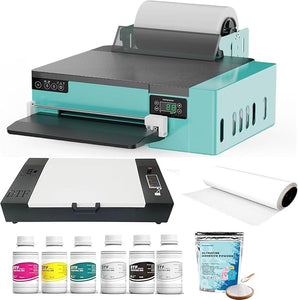
Punehod positions its A4 and A3 models for DIY users, startups, small studios, professional studios, and factory-level production. Based on brand-provided figures:
- A4 models: up to 480 T-shirts per week at $0.50 per DTF print
- A3 models: up to 350 T-shirts per week at $0.70 per print
- models are priced under $2,000
For buyers comparing entry-level and small-shop equipment, Punehod positions its A4 and a3 dtf printer options as sub-$2,000 machines aimed at balancing startup cost, weekly output, and per-print economics. That matters for anyone evaluating a dtf printer for beginners, a dtf printer for small business, or even a light commercial dtf printer path.
A Practical DTF Pricing Framework for Small Businesses
If you want a pricing model that is easy to use, build it in tiers.
Pricing Tier 1 — Basic transfers
Use this for:
- low-coverage designs
- standard turnaround
- low setup risk
This is your everyday entry-level price tier.
Pricing Tier 2 — Standard custom apparel jobs
Use this for:
- average coverage
- common shirt orders
- moderate handling and production time
This is where many regular small-business orders fall.
Pricing Tier 3 — Premium or rush jobs
Use this for:
- larger graphics
- fast delivery
- complex artwork
- higher remake risk
These jobs need stronger pricing because the margin is easier to lose.
One important lesson: do not copy local competitor pricing blindly. A shop showing up in searches like dtf printing near me or dtf prints near me may be using a different machine, a different labor model, a different waste rate, or a completely different order mix. Their number may not work for your business.
DTF Pricing Mistakes to Avoid
A lot of pricing problems come from the same handful of mistakes. Watch for these:
1. Charging only by design size and ignoring waste
2. Failing to track actual ink, film, and powder use
3. Using the same markup for one-off jobs and bulk orders
4. Ignoring labor, setup time, and machine maintenance
5. Underpricing rush orders
6. Not accounting for reprints caused by inconsistent output
7. Quoting the same price across cotton, polyester, and blends without considering production consistency
8. Buying equipment based only on sticker price instead of cost per print and output stability
There is another mistake worth mentioning. Some DTF users run into delays and production errors because setup guidance is weak or because they underestimate the learning curve. That affects real pricing too. More setup mistakes mean more waste, slower fulfillment, and less accurate cost assumptions.

What to Look for in a DTF Printer If You Want More Accurate Pricing?
If your DTF pricing always feels a little off, the problem is not always your math. Sometimes it is the machine behind the math. A printer with unstable ink flow, uneven output, or inconsistent transfer results makes it much harder to predict cost per print. And when your cost is unclear, your pricing is usually weak.
That is why the right dtf printer should be judged by more than the purchase price. You need predictable ink delivery, solid consumable compatibility, and stable output under real production settings. You also need transfer durability that holds up after washing, along with ink standards that support material safety, such as OEKO-TEX® STANDARD 100. Just as important, especially for newer shops, are onboarding support and after-sales service. A machine may look affordable at checkout, but if it creates delays, waste, and trial-and-error in daily use, it becomes expensive fast.
That is where Punehod’s A4 and A3 lineup fits this pricing discussion in a practical way. The brand positions these models for different stages of business growth, from DIY users and startups to studios and higher-output production. Instead of making vague promises, the more useful approach is to look at the operating logic behind the machines. Based on brand-provided figures, Punehod’s A4 models are positioned at up to 480 T-shirts per week with a per-print cost around $0.50, while A3 models are positioned at up to 350 T-shirts per week at around $0.70 per print. With models priced under $2,000, the lineup gives smaller businesses a clearer way to think about startup cost, weekly output, and per-print economics.
That matters because better pricing starts with better control. If ink and film usage are more predictable, if output is more stable across cotton, polyester, and blends, and if the transfer holds up well enough to reduce remake risk, then the quote you give a customer has a much stronger foundation. In other words, the printer is not just producing graphics. It is helping you protect margin.
FAQ
How much should beginners charge for DTF prints?
Beginners should avoid pricing by guesswork. The safer starting point is to calculate the real cost of consumables, labor, waste, and equipment use, then add a margin that makes the job worthwhile. If you skip that step, it is very easy to stay busy and still make less than you expected.
What is the best formula for calculating DTF print cost?
A simple and useful formula is:
Selling Price = (Material Cost + Labor Cost + Waste Allowance + Equipment Allocation + Overhead) × Target Margin
This works because it forces you to price from actual production cost instead of copying someone else’s number.
Should DTF pricing be based on size, coverage, or complexity?
It should be based on all three. Size is only one part of the picture. A print with heavy color coverage, more detail, or more production risk often costs more than a simpler design of the same dimensions.
How much do DTF film, ink, and powder really affect margin?
They affect it a lot. These are your direct consumables, so even small tracking mistakes can shrink your margin. Shops that underestimate film, ink, or powder usage often think they are profitable until reorders and waste expose the gap.
Why do some DTF shops charge more than others?
Because not every shop has the same cost structure. One shop may have tighter output, lower remake risk, better labor efficiency, or a different order mix. The price on the invoice reflects more than the size of the design.
Can cotton, polyester, and blends change the price of a DTF transfer?
Yes, because fabric type affects consistency, repeatability, and production confidence. If one garment type introduces more variation or a greater chance of rework, that should be reflected in the quote.
What is DTF printing and why is it popular for shirt businesses?
DTF stands for direct-to-film printing. It is a process where the design is printed onto film, coated with adhesive powder, and then transferred onto fabric with heat. It is popular because it works across many common apparel materials. A simple definition is available here: Wikipedia – Direct-to-film printing.
Is an A3 DTF printer enough for a small business?
For many small businesses, yes. It depends on what you sell, how many orders you expect each week, and how quickly you plan to grow. For shops that need a balance between manageable startup cost and broader production flexibility, an a3 dtf printer is often a practical step.
What should I look for in the best DTF printer for small business use?
Look for stable output, predictable consumable use, fabric compatibility, durability support, and solid onboarding. A machine that is harder to control will also make your pricing harder to control.
How does printer stability affect pricing accuracy and profit?
Stable output reduces waste, reprints, and complaint risk. That makes your cost per print easier to estimate and your selling price easier to defend. When the machine is more predictable, the business becomes more predictable too.
Conclusion
The right DTF price is not the cheapest number in your market. It is the number that covers consumables, labor, waste, maintenance, and profit without leaving you exposed every time a job gets more complicated than expected.
That is why shops that know their real cost per print are in a better position to grow. They quote with more confidence, manage margin more carefully, and make fewer pricing mistakes. If your goal is to build pricing around stable output, controlled consumable usage, and repeatable transfer performance across common apparel fabrics, Punehod A4 and A3 DTF printer lineup gives startups, studios, and growing custom-print businesses a practical place to start.